The Storm He Weathered
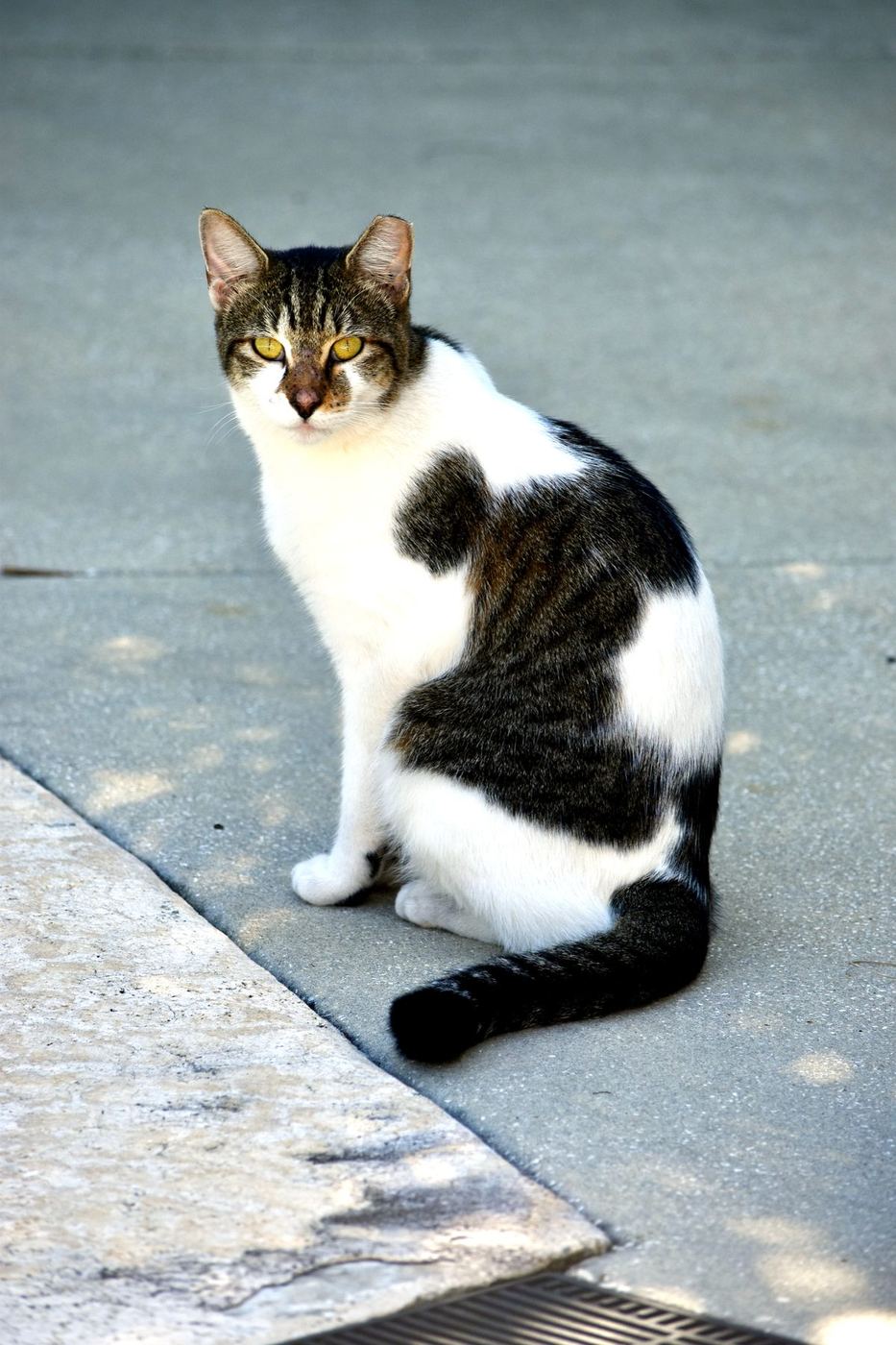
The sky turned dark. That's how you know a storm is coming fast in Tampa Bay—the light shifts, the air changes, and suddenly the wind picks up with an urgency that demands attention. Patricia and I looked at each other and knew what came next. We called for Praus.
He always came. For a few years, whenever a storm rolled in, Praus would sense it before we did and make his way onto the screened porch, our shelter, his refuge. It was as if he understood something we were still learning: storms come, and there are safe places to wait them out.
But last night was different.
The thunderstorm arrived without warning—one of those sudden, violent pop-ups that the Gulf Coast throws at you without mercy. The sky darkened. The rain came sideways. And we called for Praus. And called. And called.
He didn't come.
Patricia and I stood on the porch, peering into the downpour, fear rising in our chests. Where was he? Was he out there, caught in the storm, frightened and alone? Our minds spiraled through worst-case scenarios. We worried. We called his name into the rain. We imagined everything that could go wrong.
And then, thirty minutes after the storm passed, Praus strolled onto the porch. Dry. Calm. Happy. Clearly he had found shelter somewhere—under a dense plant, in a covered space we didn't know about—and he had waited out the storm exactly as he needed to. He was not shaken. He was not afraid. He was simply… fine.
He ate his dinner. He purred. He was exactly where he wanted to be.
And Patricia and I stood there, humbled.
Jesus told his disciples something radical about worry. "Therefore I tell you, do not worry about your life, what you will eat or drink; or about your body, what you will wear. Is not life more than clothes, and the body more than clothes? Look at the birds of the air: they do not sow or reap or store away in barns, and yet your heavenly Father feeds them. Are you not much more valuable than they? Can any one of you by worrying add a single hour to your life? And why do you worry about clothes? See how the flowers of the field grow. They do not labor or spin. Yet I tell you that not even Solomon in all his splendor was dressed like one of these." (Matthew 6:25–29)
The birds don't panic when the storm comes. The flowers don't spiral into anxiety about survival. They trust. They move with their nature. They find what they need. And they endure.
Praus knew where to go. He didn't need us to show him. He trusted his instincts, his knowledge of the world, his ability to find shelter. He didn't waste energy worrying about the storm—he simply responded to it with calm action.
Meanwhile, we stood on the porch, gripped by fear, imagining disasters, our anxiety accomplishing nothing but stealing our peace.
The disciples were in a boat when a storm came up—waves crashing over the sides, wind tearing at the sails. They were terrified. And Jesus was asleep. When they woke him, frantic and afraid, he simply said: "Why are you so afraid? Do you still have no faith?" (Mark 4:40) Then he calmed the storm. But the real miracle wasn't the wind and waves obeying him. It was the peace he carried. He wasn't anxious. He wasn't afraid. He knew he was held, and that knowing changed everything.
"Cast all your anxiety on him, because he cares for you." (1 Peter 5:7)
This is what we're invited to do. Not to pretend storms won't come—they will, they always do. But to release the grip of our worry, to stop imagining worst-case scenarios, to trust that we are held even when we can't see what's happening.
Praus taught us something last night. He taught us that faith isn't about controlling outcomes. It's about trusting that you know where to go, what to do, and that you'll find what you need. It's about moving through the storm with calm action rather than frantic worry.
The storms of life—loss, uncertainty, change, fear for those we love—they will come. But you don't have to be gripped by anxiety while they do. You can cast your cares on God. You can trust. You can find shelter. You can wait it out with the same calm knowing that Praus carried through last night's rain.
And when the storm passes, you'll be exactly where you need to be.